
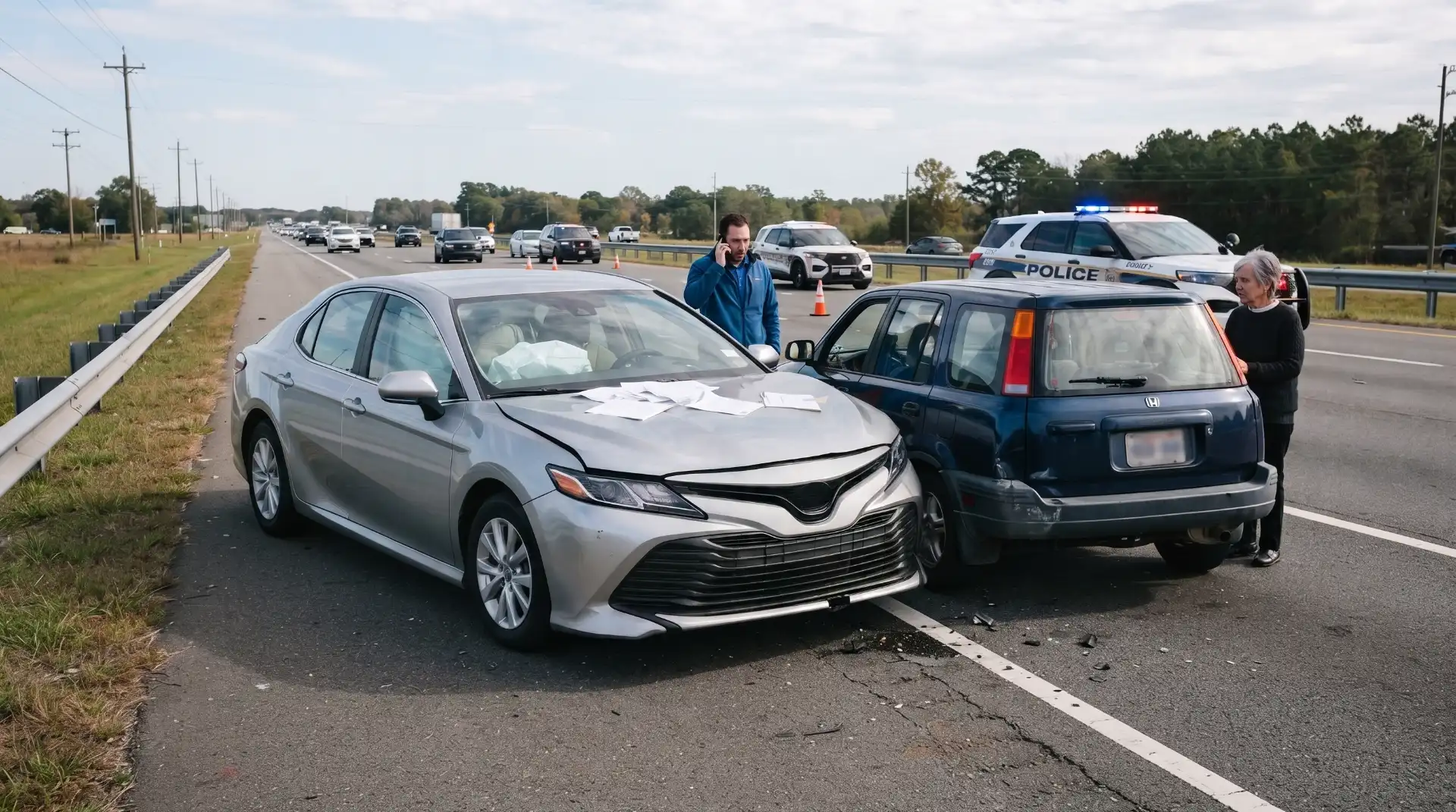
Rental cars are part of everyday travel in the United States. People use them during vacations, business trips, after their own vehicles are damaged, and whenever they need temporary transportation. But when a rental vehicle is involved in a crash, determining who pays for injuries and property damage can become considerably more complicated than in an ordinary two-car collision.
A rental car accident may involve the renter, another driver, the rental company, the renter’s personal automobile insurer, insurance purchased at the rental counter, a credit card benefit provider, an employer, and sometimes additional parties. Which source of coverage applies depends on the circumstances of the crash, the rental agreement, the driver’s personal policy, applicable state law, and the type of protection purchased before the vehicle left the rental lot.
Understanding rental car accident liability therefore requires looking at two different questions. First, who legally caused the crash? Second, which insurance policy or financial protection applies to the resulting loss? Those questions are related, but they are not always answered in the same way.
Who Is Liable After a Rental Car Accident?
In most rental car crashes, liability begins with the same basic question that applies to other motor vehicle collisions: whose negligence caused the accident?
A rental vehicle does not automatically change the rules governing driver responsibility. If a renter runs a red light, follows another vehicle too closely, drives while distracted, makes an unsafe lane change, or otherwise fails to use reasonable care, that driver may be held responsible for injuries and damage caused by the crash.
Likewise, if another motorist causes the collision, the fact that the injured person happened to be driving a rental vehicle does not normally transfer responsibility to the renter. The negligent driver’s liability coverage may become an important source of compensation, subject to applicable state insurance laws and policy limits.
Many accidents are not entirely one person’s fault. States use different systems for allocating responsibility when more than one person contributed to a crash. Some jurisdictions apply comparative negligence rules, while others follow modified comparative negligence or contributory negligence principles. Because these rules differ substantially from state to state, the amount an injured person may recover can depend heavily on where the accident occurred.
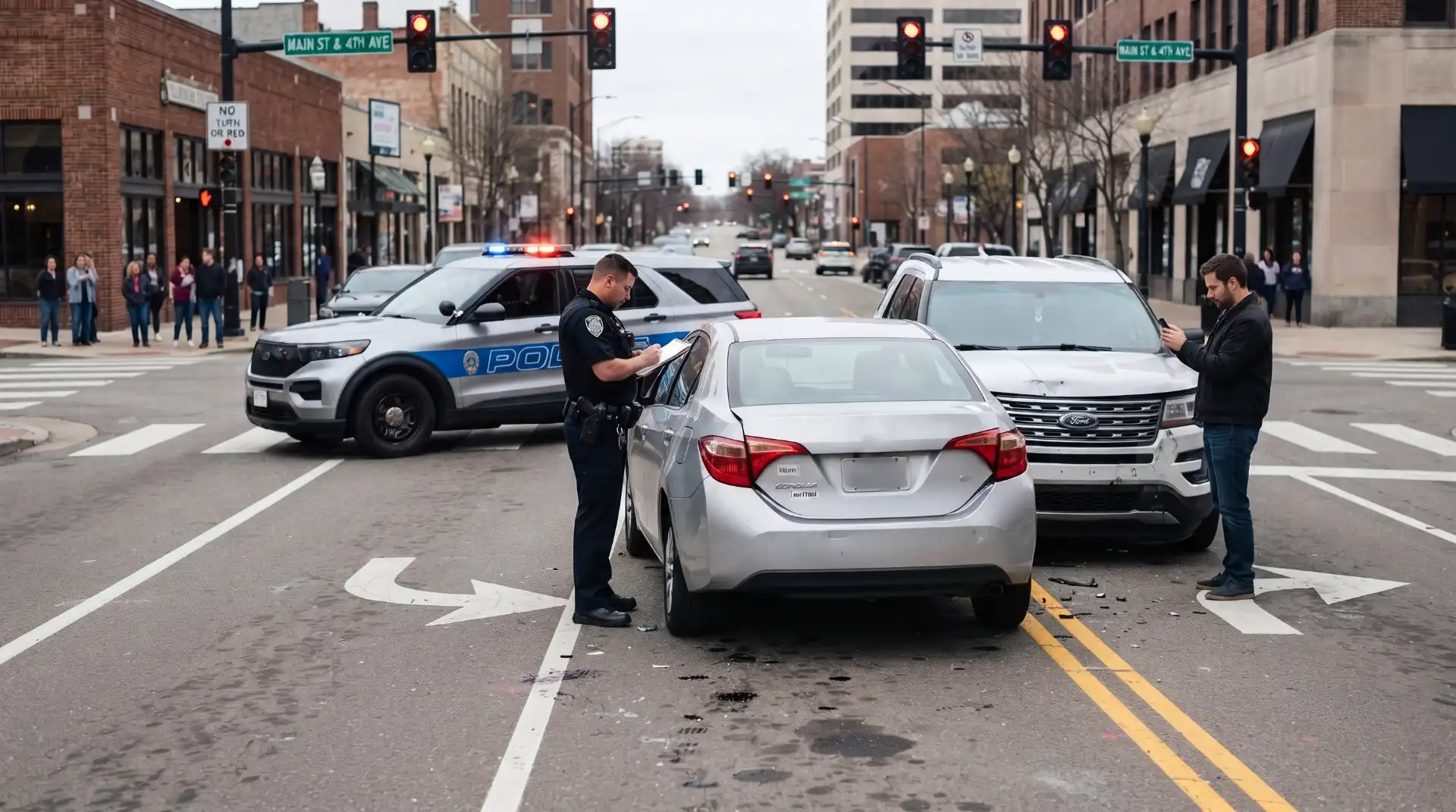
Does the Rental Car Company Automatically Share Liability?
A common misconception is that a rental company is automatically responsible whenever one of its vehicles causes an accident. Federal law generally prevents that result.
The federal statute commonly known as the Graves Amendment, codified at 49 U.S.C. § 30106, generally protects companies engaged in the business of renting or leasing motor vehicles from liability based solely on their ownership of the vehicle. In other words, a rental company typically cannot be held responsible simply because its name appears on the vehicle’s title.
The rule is not an absolute shield from every possible claim. The federal statute specifically addresses situations in which there is no negligence or criminal wrongdoing by the rental vehicle owner. A claim may therefore present a different issue when evidence indicates that the rental company’s own conduct contributed to the crash.
For example, questions could arise if a rental company knowingly provided a dangerously defective vehicle, failed to address a serious maintenance problem, or engaged in other independently negligent conduct that caused or contributed to an accident. Whether a particular theory is legally available depends on the facts and applicable law.
The Graves Amendment also preserves certain state financial-responsibility and insurance requirements. For that reason, rental car cases should not be analyzed on the assumption that one nationwide rule answers every insurance question.
How Personal Auto Insurance May Cover a Rental Car
Many drivers assume their personal automobile insurance automatically follows them into every rental vehicle. Sometimes it does, but coverage should never be assumed without examining the actual policy.
Personal auto policies commonly contain several different types of coverage, including bodily injury liability, property damage liability, collision, comprehensive, uninsured or underinsured motorist protection, medical payments coverage, or personal injury protection. The National Association of Insurance Commissioners explains that the protection available depends on the coverage selected and the terms of the individual policy.
Liability insurance generally addresses claims made by other people when the insured driver is legally responsible for causing bodily injury or property damage. Depending on the policy and applicable law, a renter’s existing liability insurance may extend to a temporary rental vehicle.
Collision and comprehensive insurance address a different problem: damage to the vehicle being driven. If a driver’s own policy extends collision coverage to a rented vehicle, it may help pay for physical damage resulting from a crash, usually subject to the deductible and policy terms.
Comprehensive coverage generally addresses non-collision losses such as theft, vandalism, fire, weather damage, or certain other covered events. Again, whether it follows the insured into a rental vehicle depends on the policy.
Travelers should ideally confirm these details with their insurer before renting a car rather than trying to interpret their coverage after an accident has already happened.
What Is a Collision Damage Waiver or Loss Damage Waiver?
Rental car companies frequently offer a Collision Damage Waiver, often called a CDW, or a Loss Damage Waiver, commonly called an LDW.
Despite the familiar shorthand of “rental car insurance,” a damage waiver is not necessarily the same thing as a traditional automobile insurance policy. It is generally an agreement under which the rental company waives or limits its right to hold the renter financially responsible for certain damage to the rented vehicle, subject to the terms and exclusions of the agreement.
The Federal Trade Commission advises consumers that rental companies may offer CDW or LDW protection for damage to the rental vehicle. The FTC also notes that this protection does not itself pay for injuries to the renter or damage to the renter’s personal property.
Waivers may also contain exclusions. Conduct such as impaired driving, reckless use, taking the vehicle into prohibited areas, or allowing an unauthorized person to drive may affect coverage depending on the contract.
Because rental agreements differ, renters should not assume that purchasing a waiver eliminates every possible expense connected with an accident.
Supplemental Liability Insurance
Rental companies may also offer supplemental liability protection. This product is intended to provide liability coverage when the renter causes injury to another person or damages someone else’s property.
A person who already has substantial liability coverage through a personal automobile policy may have overlapping protection, while someone who does not own a vehicle or does not carry an applicable personal policy may view the coverage differently.
The priority between personal insurance, rental-company protection, and other available policies can depend on policy language and state law. Terms such as “primary” and “secondary” coverage become important because they determine which insurer is expected to respond first.
What About Credit Card Rental Car Coverage?
Some credit cards provide rental vehicle benefits when the cardholder uses the card to pay for the rental and meets the program’s requirements.
This protection can be valuable, but consumers should understand its limits. Credit card rental benefits frequently focus on physical damage to or theft of the rental vehicle rather than liability for injuries caused to another person.
Some card benefits operate as secondary coverage, meaning another applicable insurance policy must be used first. Others may provide primary rental vehicle protection under certain conditions.
Eligibility may also depend on declining the rental company’s damage waiver, using the eligible credit card for the transaction, renting an eligible type of vehicle, staying within permitted rental periods, and complying with geographic restrictions.
The FTC recommends reviewing credit card rental protections carefully. A renter should contact the card issuer and obtain the actual benefit terms rather than relying solely on a general advertisement stating that the card includes “rental car coverage.”
What Happens When the Rental Driver Has No Personal Auto Insurance?
Rental accidents become especially complicated when the renter does not own a vehicle and therefore has no conventional personal auto policy.
Depending on the state, rental agreement, and coverage purchased, there may still be insurance or legally required financial responsibility connected with the rental. However, the existence and amount of protection should not be assumed.
A person who frequently rents cars despite not owning a vehicle may also encounter non-owner automobile insurance. The NAIC identifies non-owner coverage as an option consumers may consider when they regularly drive vehicles they do not own.
Someone renting without personal coverage should pay especially close attention to liability protection rather than focusing exclusively on damage to the rental vehicle. A CDW can address certain damage to the rental itself, but it does not necessarily protect the renter from a substantial bodily injury claim brought by someone injured in the crash.
When Another Driver Causes the Rental Car Crash
If another motorist causes the collision, that driver’s liability insurance may be responsible for compensating injured parties and paying covered property damage, subject to applicable law and policy limits.
The renter may still need to notify the rental company immediately because the company owns the damaged vehicle. The rental agreement typically contains accident-reporting requirements and instructions for dealing with vehicle damage.
The renter should also notify any potentially applicable insurer and, when appropriate, the credit card benefit administrator. Delayed reporting can create avoidable disputes over coverage or documentation.
If the at-fault driver is uninsured or does not have enough liability coverage to compensate everyone injured, uninsured or underinsured motorist coverage may become relevant. Whether this protection applies to a rental vehicle depends on the available policy, state law, and specific circumstances.
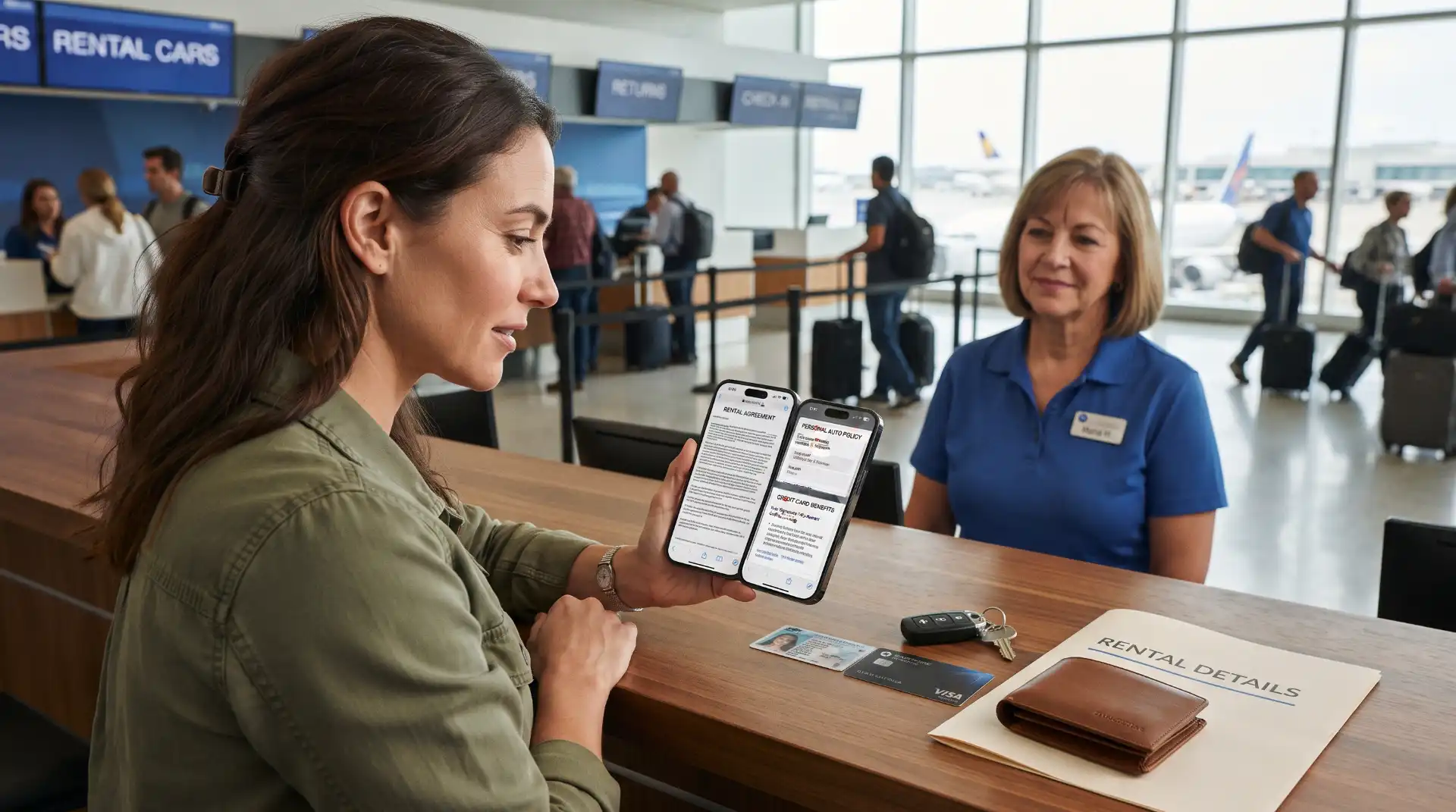
What If the Renter Caused the Accident?
If the person driving the rental vehicle caused the crash, several sources of protection may need to be evaluated.
The renter’s personal liability policy may apply first in some situations. Supplemental liability coverage purchased through the rental transaction may provide additional or alternative protection. State-required coverage associated with the rental vehicle may also matter.
At the same time, damage to the rental vehicle itself may be addressed through a CDW or LDW, personal collision coverage, or qualifying credit card benefits.
This is why a rental accident can produce multiple claims from a single event. The injured occupant of another car may be pursuing a bodily injury claim while the rental company seeks payment for vehicle damage and the renter simultaneously submits a claim through a credit card benefit program.
Unauthorized Drivers Can Create Serious Coverage Problems
One issue that frequently complicates rental car claims is an accident involving someone who was not authorized under the rental contract.
Rental agreements typically identify who is permitted to drive the vehicle. Rules concerning spouses, domestic partners, coworkers, additional drivers, and other individuals vary by company, contract, and jurisdiction.
If a person who was not authorized drives the vehicle and causes a crash, the rental company may argue that contractual protections do not apply. A damage waiver or another benefit may also contain restrictions involving unauthorized drivers.
That does not necessarily mean every insurance policy disappears automatically. Coverage questions remain governed by the language of the applicable policy and state law. However, allowing an unauthorized person to drive can create a significantly more complicated dispute.
Rental Cars Used for Work or Business
Business travel creates another layer of potential liability.
An employee may rent a vehicle while attending a conference, visiting a client, traveling between work locations, or completing another task for an employer. If an accident occurs while the employee is acting within the scope of employment, the employer’s commercial insurance or other liability principles may become relevant.
Businesses may also maintain corporate rental agreements, commercial auto coverage, travel policies, or credit card programs that provide protection different from the renter’s personal coverage.
Whether an employer is legally responsible depends on the driver’s relationship to the business, the purpose of the trip, state law, and the facts surrounding the collision.
What Evidence Matters After a Rental Car Accident?
The evidence needed after a rental car collision is similar to evidence used in other accident claims, but several rental-specific documents can become especially important.
The rental agreement should be preserved because it identifies the renter, authorized drivers, selected protections, rental dates, and contractual obligations. Receipts showing how the rental was paid may be relevant when credit card benefits are involved.
Drivers should also preserve photographs and video of the vehicles, roadway, traffic signs, skid marks, debris, and surrounding conditions when it is safe to do so. Names and contact information for witnesses can be important when fault is disputed.
A police crash report may document the location, drivers, vehicles, insurance information, and initial observations by responding officers. The legal effect of a police report varies, but obtaining the report can still be useful when investigating the collision.
Digital evidence may also matter. Dash cameras, nearby surveillance systems, vehicle data, phone records, navigation information, and photographs taken immediately after the collision can help establish how the crash occurred.
Rental companies may possess additional records concerning the vehicle’s rental history, maintenance, inspection, reported defects, or condition. Such records can become particularly important if the vehicle’s mechanical condition is alleged to have contributed to the accident.
What Should You Do Immediately After a Rental Car Crash?
Safety should come first. Move to a safe location when possible, call emergency services when needed, and obtain appropriate medical attention.
Exchange identifying and insurance information with the other drivers and document the scene. Avoid making assumptions about fault before the circumstances have been investigated.
Next, contact the rental company using the accident-reporting procedure in the rental agreement. The company may provide instructions concerning towing, replacement transportation, vehicle inspection, and accident paperwork.
Notify your personal insurer if the policy could potentially apply. If you purchased rental counter protection, report the claim through the designated process. If credit card coverage may apply, contact the card’s benefit administrator promptly and ask what documents are required.
Keep copies of every rental document, insurance communication, medical bill, repair estimate, photograph, police record, travel receipt, and claim number associated with the collision.
Can the Rental Company Charge for More Than Repair Costs?
A damaged rental vehicle can potentially generate claims beyond the direct cost of repairs.
Depending on the rental contract and applicable law, a company may seek other amounts associated with the loss, such as towing, administrative charges, diminished value, or loss-of-use damages while the vehicle cannot be rented.
Whether those charges are enforceable or covered by insurance varies. Personal auto insurers, credit card benefit programs, and rental waivers may treat these expenses differently.
Renters should therefore avoid assuming that a repair estimate represents the entire financial exposure after damaging a rental vehicle.
What Compensation May Be Available After a Rental Car Accident?
When another party negligently causes a rental car collision, an injured person may be able to seek compensation for legally recoverable losses. The available damages depend on state law and the circumstances of the case.
Economic damages may include reasonable medical expenses, rehabilitation costs, lost income, reduced earning capacity, and other documented financial losses. Property damage may include damage to personal belongings or other property affected by the collision.
Non-economic damages may be available for consequences such as physical pain and other legally recognized losses, depending on applicable state law.
In fatal collisions, qualifying family members or representatives may have wrongful death or survival claims. The people who may bring such claims, available damages, and filing deadlines vary considerably by state.
Rental Car Accidents Across State Lines
Rental vehicles are frequently driven through multiple states, making interstate accidents common.
A driver might rent a vehicle in Nevada, drive through Arizona, and crash in California. Another traveler could rent a car in New York and collide with another vehicle while visiting New Jersey.
These situations can raise questions about which state’s insurance rules, negligence laws, and damage rules apply. The answer is not necessarily determined only by the state where the rental transaction began.
The rental agreement may also contain provisions addressing governing law, disputes, or contractual obligations. Insurance policies can contain territorial provisions that must be considered separately.

State Insurance Laws Make Rental Car Claims Different
There is no single insurance system governing every car accident in the United States.
States establish their own minimum financial responsibility requirements and use different approaches to bodily injury claims. Some states operate under traditional fault-based systems, while others have no-fault or personal injury protection structures that may require an injured person’s own coverage to address certain medical expenses before a liability claim proceeds.
States also differ in uninsured motorist requirements, comparative fault rules, statutes of limitation, damage rules, and mandatory rental-car protections.
For that reason, general information about rental car accidents should never be treated as a substitute for examining the law of the state where the collision occurred.
Why Insurance Limits Matter in Serious Rental Car Accidents
Identifying the at-fault driver is only part of a serious injury claim. The next question is whether enough insurance or other assets exist to cover the damages.
A crash causing catastrophic injuries can generate medical costs and lost income far beyond a driver’s minimum liability limit. Investigating all potentially applicable policies can therefore be important.
Possible sources may include the renter’s personal policy, purchased supplemental liability coverage, an employer’s commercial policy, uninsured or underinsured motorist protection, and insurance carried by other responsible parties.
Finding multiple policies does not automatically mean they can all be combined. Coverage priority, exclusions, policy limits, state anti-stacking rules, and other provisions can affect the amount ultimately available.
Common Mistakes After a Rental Car Accident
One of the most significant mistakes is failing to read the rental contract after the collision. The agreement may contain important notice requirements and instructions for reporting damage.
Another problem is assuming the credit card used to rent the vehicle automatically covers everything. Credit card benefits often focus on damage to the rented vehicle and may not provide liability insurance for injuries caused to other road users.
Renters can also encounter problems when they wait too long to report the crash, discard rental paperwork, authorize repairs without following required procedures, or allow an unauthorized driver to operate the vehicle.
Finally, accident victims should avoid assuming that the rental company will automatically pay a claim merely because it owns the vehicle. Federal law significantly limits liability based solely on rental vehicle ownership.
Understanding the Difference Between Fault and Coverage
The most important concept in a rental car accident is the distinction between fault and insurance coverage.
Fault determines who was legally responsible for causing the accident. Coverage determines which insurer or financial protection may pay for the resulting damages.
A driver can be clearly at fault while a complicated dispute continues over which insurance policy applies. Conversely, several insurance policies can exist even though the parties strongly disagree about who caused the collision.
A careful rental car accident investigation therefore addresses both issues separately.
Final Thoughts on Rental Car Accident Liability
A rental vehicle can turn an otherwise ordinary accident claim into a complicated insurance puzzle. The renter’s personal policy, insurance purchased at the counter, a collision or loss damage waiver, credit card benefits, another driver’s insurance, and commercial coverage may all need to be evaluated.
At the same time, the rental company’s liability is governed by more than the fact that it owns the vehicle. Under the federal Graves Amendment, rental companies generally are not liable solely because of vehicle ownership when the statutory conditions are met. Claims involving the rental company’s own negligence present a different issue.
The safest approach is to preserve the rental agreement, report the collision promptly, document the evidence, obtain medical care when appropriate, and identify every potentially applicable source of insurance.
Because insurance requirements, negligence rules, filing deadlines, and available damages vary across the United States, anyone dealing with a significant rental car accident claim should evaluate the specific law of the state involved rather than relying on general assumptions about how rental insurance works.
This article provides general educational information about rental car accidents in the United States and is not legal advice. Insurance coverage and liability depend on the applicable state law, policy language, rental agreement, and facts of the individual collision.