
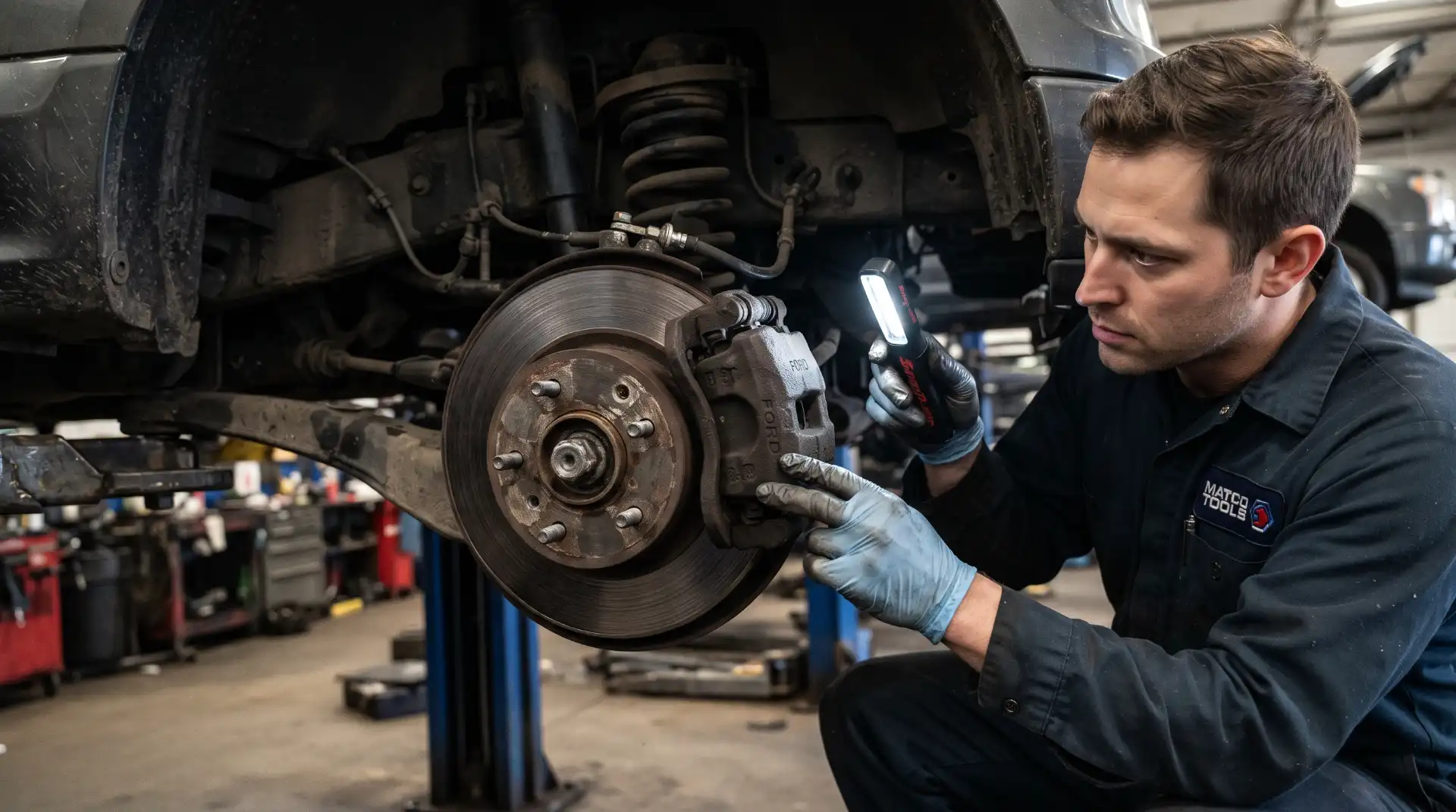
Brake failure is one of the most dangerous mechanical problems a driver can experience. A vehicle can appear to be operating normally until the driver presses the brake pedal and discovers that the vehicle is not slowing as expected. In a matter of seconds, a mechanical problem can turn an ordinary trip into a serious collision involving other vehicles, pedestrians, bicyclists, passengers, or roadside structures.
Brake failure accidents can be particularly complicated because the driver may not be the only person whose conduct needs to be investigated. A crash involving defective brakes can raise questions about the vehicle manufacturer, parts manufacturer, dealership, repair facility, fleet operator, previous owner, or another party responsible for inspecting or maintaining the vehicle. In some cases, the driver may also have responsibility if warning signs were ignored or required maintenance was neglected.
Determining what actually caused a brake-related collision requires more than looking at the damage after the crash. Investigators may need to examine brake pads, rotors, calipers, brake lines, fluid levels, master cylinders, electronic brake components, maintenance records, recall information, repair invoices, inspection records, vehicle data, photographs, witness statements, and other evidence.
For people injured in these crashes, understanding the potential causes and sources of liability can be an important first step toward determining how an accident claim should be investigated.
What Is a Brake Failure Accident?
A brake failure accident occurs when a vehicle’s braking system does not perform as expected and the failure contributes to a collision or loss of control. The problem does not always mean that every braking component stopped working completely. A vehicle may still have some braking ability while requiring significantly more distance to stop, pulling to one side, producing unusual noises, or responding unpredictably when the driver applies the brakes.
Brake problems can develop gradually or occur suddenly. Worn brake pads may reduce braking performance over time, while a damaged brake line can cause a rapid loss of hydraulic pressure. Electronic problems can also affect modern braking systems, particularly as vehicles increasingly rely on electronic controls and integrated driver-assistance technologies.
A driver may press the brake pedal and experience a soft or spongy pedal, a pedal that feels unusually hard, excessive vibration, grinding sounds, pulling to one side, warning lights, or a noticeable increase in stopping distance. These symptoms do not automatically establish the cause of a crash, but they may become important evidence during an investigation.
The legal question is usually more specific than simply asking whether the brakes failed. Investigators must determine why the brakes failed, who had a responsibility related to that condition, and whether the failure caused or contributed to the collision.
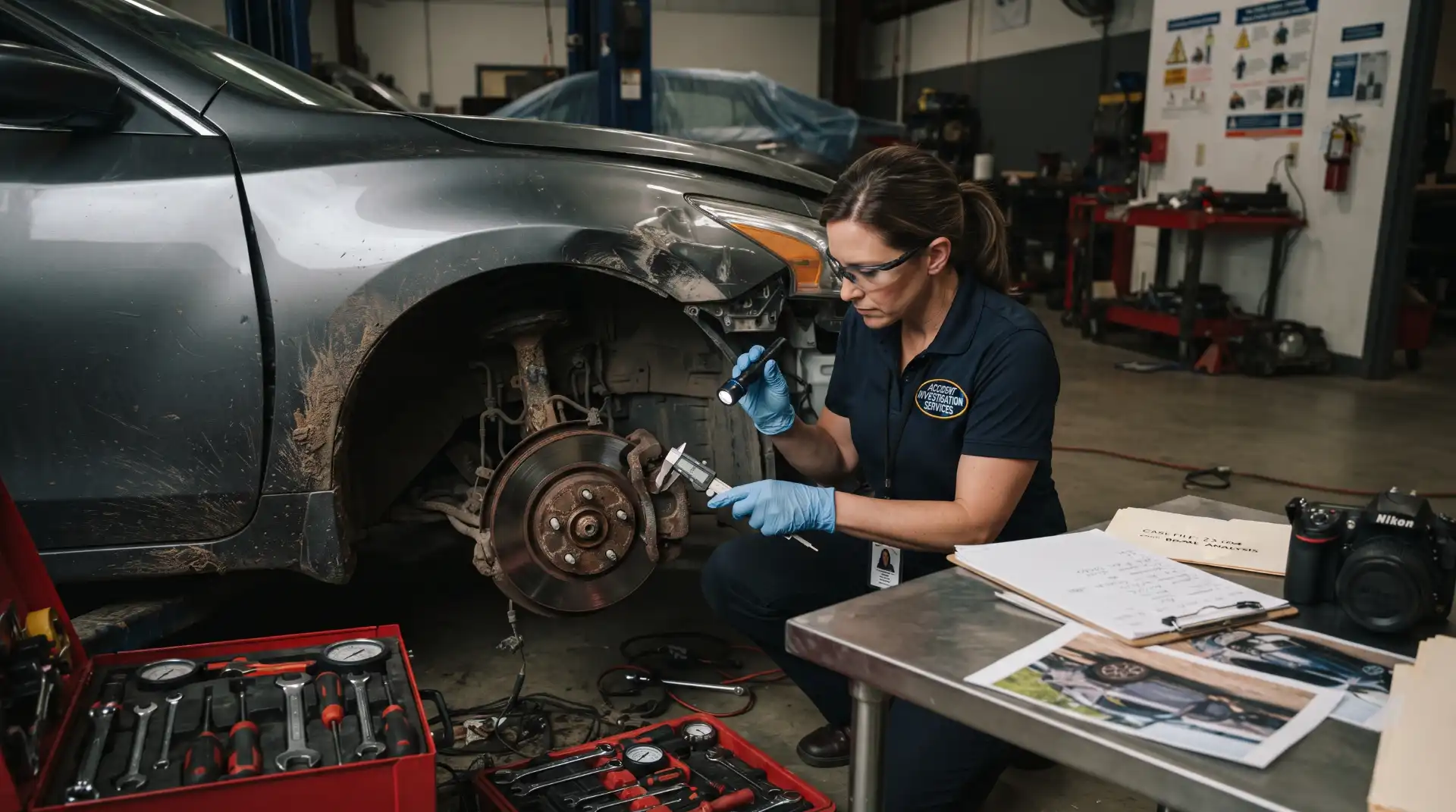
Why Brake Failures Can Be Difficult to Investigate
Vehicle braking systems contain multiple components that work together. A problem with one component can affect other parts of the system, and the physical evidence may change during or after a collision.
For example, a crash can damage brake components that were already defective. That creates a challenge because investigators must determine whether the component failed before the collision or was damaged as a result of the impact.
The same issue can arise when a vehicle is towed after a crash. Parts may be removed during repairs, damaged components may be discarded, or the vehicle may be moved before a detailed inspection takes place. If a potential defect is later disputed, the absence of the original component can make the investigation more difficult.
This is why preserving the vehicle and relevant records can be particularly important when brake failure is suspected.
Common Causes of Brake Failure
Brake failure can have many different causes. Some involve ordinary wear, while others may involve defective products, poor workmanship, inadequate maintenance, or a combination of factors.
Worn Brake Pads
Brake pads gradually wear as they are used. When they become excessively worn, braking performance can be affected, and continued operation may create additional damage to other braking components.
A worn brake pad does not automatically mean another person is legally responsible for a crash. The investigation may need to determine whether the wear was reasonably expected, whether warning signs were present, whether the vehicle was properly inspected, and who had responsibility for maintaining it.
For privately owned vehicles, maintenance responsibilities often rest with the owner. In commercial fleets, rental vehicles, company cars, and other situations, maintenance responsibilities may be divided among multiple parties.
Damaged or Worn Brake Rotors
Brake rotors can become worn, warped, cracked, or otherwise damaged. Depending on the circumstances, rotor problems may cause vibration, reduced braking performance, uneven braking, or other problems.
A damaged rotor may be associated with normal wear, improper installation, defective materials, overheating, or other mechanical conditions. Determining the cause requires examination of the actual component and the vehicle’s maintenance history.
Brake Fluid Leaks
Hydraulic braking systems depend on brake fluid to transmit pressure through the system. A leak can reduce braking performance and, depending on the location and severity of the leak, may result in significant loss of braking ability.
Brake fluid problems can originate from damaged lines, hoses, seals, cylinders, connections, or other components. A collision investigation may therefore need to determine whether a leak developed before the crash or resulted from impact damage.
Defective Brake Lines or Hoses
Brake lines and hoses are critical components because they help transmit hydraulic pressure. A manufacturing defect, corrosion, improper installation, physical damage, or deterioration can potentially affect their performance.
If a brake line or hose fails before a collision and the failure causes the driver to lose braking ability, investigators may examine the component’s manufacturer, installation history, maintenance records, and condition before the crash.
Master Cylinder Problems
The master cylinder plays an important role in converting brake-pedal input into hydraulic pressure. A failure can affect braking performance and may produce warning signs before a serious accident.
The presence of a failed master cylinder does not automatically establish legal liability. Investigators must determine whether the failure resulted from normal wear, a manufacturing defect, improper repair, inadequate maintenance, or another cause.
Electronic Brake System Failures
Modern vehicles increasingly incorporate electronic systems into braking and stability-control functions. Problems involving electronic brake modules, sensors, software, wiring, or related components can create complicated accident investigations.
NHTSA currently maintains records of safety investigations involving service-brake systems, demonstrating why electronic braking problems may require careful review of federal safety records and vehicle-specific information.
Electronic brake problems can also be difficult to understand from the physical damage alone. Diagnostic information, warning messages, electronic records, technical service information, and manufacturer communications may become important evidence.
When a Defective Brake Part May Be Responsible
A brake-related crash can potentially involve product liability when a defective component contributed to the accident. Product liability laws differ among states, and the specific legal theory available depends on the facts.
A defective brake component may involve a manufacturing defect, design defect, inadequate warning, or another legally recognized product defect.
A manufacturing defect generally involves a product that differs from its intended design because something went wrong during production. For example, a particular brake component might contain a flaw that makes it substantially different from properly manufactured units.
A design defect involves an alleged problem with the design itself. In such cases, the question may involve whether the component or system was designed in a way that created an unreasonable safety risk under the applicable state’s law.
A warning-related claim can involve situations in which consumers allegedly were not adequately informed about a known or reasonably foreseeable risk associated with a product.
The existence of a recall can be important evidence, but a recall by itself does not automatically establish liability for every crash involving that vehicle. Investigators still need to establish whether the recalled condition existed in the particular vehicle and whether it contributed to the accident and resulting injuries.
How NHTSA Recalls Can Help an Accident Investigation
The National Highway Traffic Safety Administration maintains a database where vehicle owners can search for safety recalls using information such as a vehicle identification number.
NHTSA explains that its recall system can identify unrepaired safety recalls associated with a specific VIN. The agency also maintains information concerning vehicle safety investigations, complaints, manufacturer communications, and recall activity.
This information can provide an important starting point when investigating a suspected mechanical defect.
For example, suppose a driver loses braking ability and crashes into another vehicle. After the collision, the owner discovers that the vehicle had an unresolved safety recall involving a braking component. That information may justify a closer investigation into the recalled condition, the vehicle’s repair history, manufacturer instructions, and whether the particular component failed.
However, a recall should not be treated as automatic proof of legal responsibility. The investigation still needs to establish causation and determine which parties may have legal responsibility under the applicable state law.
When Poor Maintenance May Cause a Brake Failure
Not every brake failure is caused by a defective product. Maintenance negligence can also contribute to serious crashes.
Vehicles require inspections and maintenance to remain safe. Brake components naturally wear over time, and maintenance schedules may call for inspections, replacement, adjustment, or other service.
The legal issues become more complicated when someone other than the vehicle owner has responsibility for maintenance.
For example, a commercial trucking company may operate a large fleet and have employees or outside contractors responsible for inspecting and servicing vehicles. A rental company may maintain hundreds or thousands of vehicles. A business may provide company vehicles to employees. A repair facility may perform brake work for a customer.
In each situation, the investigation may need to determine who was responsible for the condition of the vehicle immediately before the crash.
Repair Shop Negligence and Brake Accidents
A repair facility can become an important part of an investigation when brake work was performed shortly before a collision.
Brake repairs must be performed correctly because improperly installed components can create serious safety problems. An investigation may examine the work order, invoice, technician notes, parts used, inspection records, recommendations made to the customer, and communications between the repair shop and vehicle owner.
Suppose a vehicle receives brake service and then experiences a braking failure shortly afterward. That timing does not automatically prove that the repair shop caused the accident. Mechanical problems can have many causes.
However, if evidence shows that a component was improperly installed, a required part was omitted, a fastener was incorrectly secured, or a serious condition was overlooked during the repair, those facts may become relevant to a negligence claim.
A qualified accident investigator or mechanical expert may need to inspect the vehicle and determine whether the repair work contributed to the failure.
The Difference Between Vehicle Defects and Maintenance Negligence
One of the most important parts of a brake failure investigation is distinguishing a defective component from inadequate maintenance.
Consider a vehicle that has severely worn brake pads. If the vehicle owner knew the pads needed replacement and continued driving for thousands of miles, the investigation may focus on maintenance decisions.
Now consider a different vehicle in which a newly installed brake component breaks because of a manufacturing defect. The focus may shift toward the manufacturer, supplier, installer, or other parties involved in the product’s distribution and installation.
A third situation could involve a vehicle that was taken to a repair facility because the driver reported brake problems, but the shop failed to identify or correct a dangerous condition. The evidence could raise questions about the quality of the inspection and repair.
These scenarios may look similar after a collision, but they can involve very different legal theories.
Commercial Vehicles and Brake Maintenance
Brake maintenance can become especially important in commercial vehicle cases because trucks, buses, delivery vehicles, and other heavy vehicles place substantial demands on braking systems.
Commercial operators may have inspection and maintenance obligations that differ from those applicable to ordinary passenger vehicles. Records can include driver inspection reports, maintenance schedules, repair orders, fleet records, inspection results, and other documentation.
A serious commercial vehicle crash involving brake failure may therefore require examination of both the physical vehicle and the company’s maintenance practices.
Investigators may ask when the vehicle was last inspected, whether previous brake problems were documented, whether repairs were recommended, whether those repairs were completed, and whether the company had procedures for removing unsafe vehicles from service.
The answers can help establish whether the braking problem was unexpected or whether there was evidence of a developing safety issue before the collision.
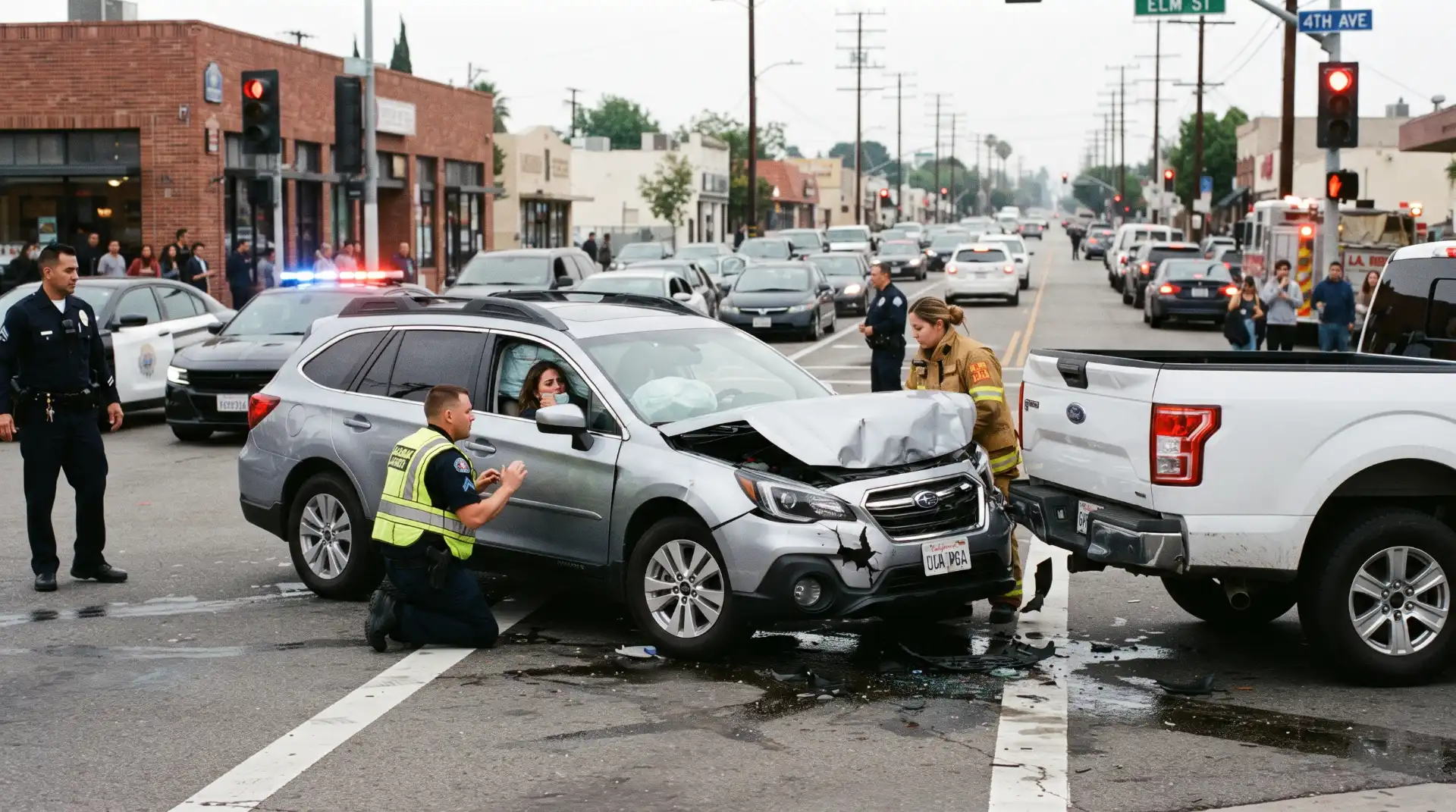
Evidence That Can Help Prove Brake Failure
Evidence is particularly important in mechanical-defect cases because the physical condition of the vehicle may change after the accident.
The vehicle itself can be one of the most important pieces of evidence. Brake components should generally be preserved when a mechanical failure is suspected because an inspection may reveal wear patterns, fractures, leaks, corrosion, improper installation, contamination, or other conditions relevant to the crash.
Maintenance and repair records can also be critical. These records may show when brake components were replaced, which parts were installed, what problems were reported, and whether additional work was recommended.
Photographs taken immediately after the crash can help document the vehicle’s condition before repairs or dismantling. Photographs of the dashboard may also show warning lights or error messages that could later become relevant.
Police reports, witness statements, surveillance footage, dashcam recordings, vehicle data, and medical records may provide additional evidence about the sequence of events and resulting injuries.
In some cases, experts may also perform accident reconstruction or mechanical analysis to determine whether brake failure occurred before impact and whether it could have prevented the collision.
Why You Should Preserve the Vehicle After a Suspected Brake Failure
A damaged vehicle may be worth more as evidence than as a repair project immediately after a suspected mechanical failure.
Once a vehicle is repaired, replaced, dismantled, or salvaged, some evidence can become difficult or impossible to examine. Brake pads may be discarded. Damaged hoses may be replaced. Electronic components may be removed. Diagnostic information may be overwritten or become inaccessible.
Anyone involved in a serious accident who believes brake failure may have caused or contributed to the crash should therefore be careful about authorizing repairs or disposal before the mechanical evidence has been properly evaluated.
This is particularly important when a defective product or negligent repair is being considered as a possible cause.
What If the Driver Did Not Know the Brakes Were Defective?
A driver is not necessarily responsible simply because the vehicle experienced a mechanical failure.
A person may reasonably expect a properly maintained vehicle to operate safely. If a component suddenly fails without warning, the driver may have little opportunity to prevent the resulting collision.
The investigation should therefore consider what the driver knew or reasonably should have known before the accident.
Warning signs can include brake warning lights, grinding noises, a soft pedal, reduced braking power, fluid leaking under the vehicle, vibration, unusual pulling, or other symptoms. Whether a driver should have recognized and responded to a warning sign depends on the circumstances.
The existence of a warning sign does not automatically eliminate a claim against another responsible party. It is simply one factor that may need to be examined when determining causation and responsibility.
Can Multiple Parties Be Responsible?
Yes. Brake failure accidents can involve multiple potentially responsible parties.
For example, a defective brake component could have been manufactured by one company, installed by a repair facility, and placed on a vehicle operated by a commercial business. A maintenance company may also have been responsible for inspections.
The accident investigation may need to examine each party’s role rather than assuming that the driver or vehicle owner was solely responsible.
State negligence and product liability laws determine how responsibility is allocated. Some states permit recovery even when an injured person bears some responsibility, while other jurisdictions apply different rules. Because these laws vary, a national article cannot provide one rule that applies to every U.S. accident.
Brake Failure and Serious Injuries
When a vehicle cannot stop properly, the consequences can be severe. The vehicle may collide with another car at a high speed, strike a pedestrian in a crosswalk, hit a bicyclist, enter an intersection against a traffic signal, or leave the roadway.
The resulting injuries depend on many factors, including vehicle speed, impact direction, vehicle size, occupant protection, road conditions, and whether secondary collisions occur.
Possible injuries can include broken bones, spinal injuries, traumatic brain injuries, internal injuries, burns, lacerations, neck injuries, back injuries, and other serious trauma.
Some injuries are immediately obvious, while others may develop symptoms later. Medical evaluation after a serious collision can help identify injuries and create documentation connecting treatment to the accident.
How Brake Failure Can Affect an Injury Claim
When brake failure is suspected, an injury claim may require a broader investigation than an ordinary collision caused by driver behavior.
In a conventional crash, investigators may focus primarily on traffic signals, vehicle positions, speed, following distance, witness accounts, and driver behavior.
A mechanical-failure case can require those same questions plus an examination of the vehicle’s mechanical condition.
The investigation may ask whether the brakes failed, what component failed, whether the failure occurred before impact, whether the problem was reasonably discoverable, whether the vehicle had been properly maintained, whether the vehicle was subject to a recall, and whether a repair facility or manufacturer may have contributed to the problem.
That broader investigation can be important because identifying the correct responsible party may affect the insurance coverage, legal theory, available evidence, and potential sources of compensation.
Damages That May Be Available After a Brake Failure Crash
A person injured in a brake failure accident may potentially seek compensation for legally recognized damages when another party is responsible under applicable law.
Economic losses can include reasonable medical expenses, rehabilitation costs, lost wages, loss of future earning capacity, property damage, and other documented financial losses.
Non-economic damages may include physical pain, emotional suffering, and other losses recognized by the applicable state’s law.
The available damages vary significantly depending on the jurisdiction and circumstances of the claim. A serious injury may also require long-term medical care or rehabilitation, making it important to consider future losses rather than focusing only on bills received immediately after the accident.
In fatal brake failure accidents, wrongful death laws may provide claims for certain surviving family members or representatives. The available damages and filing deadlines vary by state.
What Should You Do After a Brake Failure Accident?
The first priority after any serious accident is safety. Drivers and passengers should move to a safe location when possible and contact emergency services when necessary. Injured people should obtain appropriate medical attention.
After the immediate emergency, documenting the accident can become important. Photographs of the vehicle, roadway, debris, skid marks, traffic signs, surrounding conditions, dashboard warnings, and visible mechanical damage may help preserve information that could otherwise disappear.
The vehicle should also be preserved when brake failure is suspected. Before repairs or disposal, the circumstances may justify having the vehicle and braking system examined by an appropriately qualified professional.
Drivers should preserve repair invoices, inspection records, dealership communications, recall notices, maintenance records, towing documents, insurance correspondence, and other documents connected with the vehicle.
If another party may be responsible for the mechanical failure, preserving evidence early can become especially important.
How Accident Reconstruction Can Help
Accident reconstruction can help establish how a collision occurred and whether a brake problem could have contributed to it.
An accident reconstruction professional may examine vehicle damage, roadway evidence, photographs, vehicle data, witness accounts, vehicle speeds, braking marks, traffic signals, and other information.
In a brake failure case, the analysis may also need to incorporate mechanical evidence. The investigator may examine whether the vehicle was capable of stopping under the conditions present immediately before the collision.
Mechanical experts may separately examine the brake system to determine whether a component failed and why.
The two types of analysis can complement each other. Establishing that a brake component failed is one question. Establishing that the failure caused the collision is another.
How Digital and Vehicle Data May Become Relevant
Modern vehicles can contain electronic systems that record or report information associated with vehicle operation. Depending on the vehicle, certain data may help investigators understand braking, speed, warnings, electronic system activity, or other circumstances surrounding a crash.
The availability and reliability of electronic information vary by vehicle and accident.
Dashcams, traffic cameras, business surveillance systems, smartphones, navigation information, and photographs can also provide evidence concerning the moments immediately before a collision.
Digital evidence should be preserved promptly because some recordings may be automatically deleted or overwritten.
Checking for Recalls After a Brake-Related Crash
A vehicle owner involved in a suspected brake failure should consider checking whether the vehicle has an open safety recall.
NHTSA’s official recall system allows consumers to search for vehicle safety information using a VIN, and the agency explains that its system can show unrepaired recalls associated with a particular vehicle.
A recall search can be useful even when the driver does not initially know whether the vehicle has a safety defect.
It is important, however, to distinguish between a recall and proof of liability. A recall indicates that a safety issue has been identified and that a remedy may be required. It does not automatically establish that a particular accident was caused by the recalled condition or that a particular party is legally liable for the resulting injuries.
The actual vehicle, its maintenance history, the accident circumstances, and applicable law still need to be considered.
What if the Brakes Were Recently Repaired?
Recent brake repairs can make a case more complicated rather than automatically proving negligence.
The investigation should examine exactly what work was performed and which components were replaced. A repair invoice might identify new pads or rotors, but additional records may reveal whether the technician identified other problems.
Timing can also matter. A failure occurring immediately after a repair may justify a closer examination, but timing alone does not prove that the repair caused the failure.
Mechanical evidence is often necessary to determine whether an installation error, defective replacement part, unrelated component failure, or another condition was responsible.
Brake Failure Accidents Involving Rental Vehicles
Rental vehicles can create additional questions about maintenance responsibility because the driver may not own or maintain the vehicle.
If a renter experiences brake failure, the investigation may involve the rental company’s maintenance records, inspection procedures, previous complaints, repair history, and records concerning the vehicle’s condition.
Because the existing rental-car article is already published on AccidentLawFirmNearMe.com, it can serve as a useful internal resource for readers dealing with a brake failure involving a rental vehicle.
Brake Failure Compared With Driver Error
Not every failure to stop is a brake failure.
A driver may fail to stop because of speeding, distraction, following too closely, impairment, fatigue, poor judgment, or another driving behavior. In other cases, a mechanical problem may make stopping difficult.
Sometimes both factors may be present.
For example, a driver may be traveling too fast when a brake problem occurs. Another driver may have a properly functioning braking system but be following too closely when traffic stops.
The investigation should therefore avoid reaching conclusions based only on the fact that a vehicle failed to stop. The circumstances before the collision need to be examined carefully.
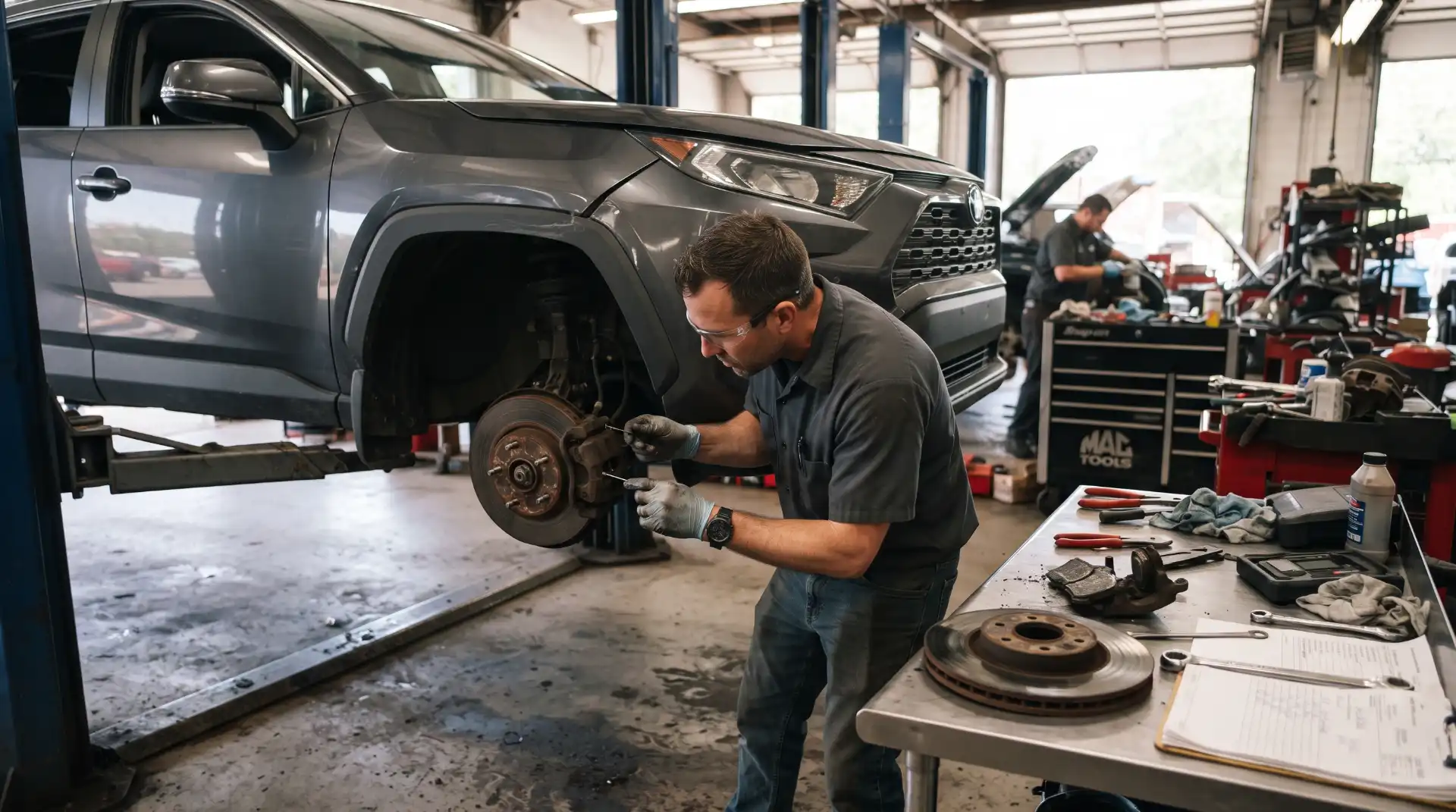
Why Early Investigation Matters
Mechanical evidence can disappear quickly after a collision. Vehicles may be repaired, sold, salvaged, dismantled, or destroyed. Replacement parts may be discarded. Surveillance footage can be overwritten.
Early preservation can therefore make a meaningful difference in a brake failure investigation.
This does not mean every collision requires an extensive engineering investigation. The appropriate level of investigation depends on the severity of the crash, the injuries involved, the available evidence, and the potential legal issues.
However, when there is a reasonable indication that a mechanical failure caused or contributed to a serious accident, preserving the vehicle and records can be particularly important.
Understanding the Legal Issues State by State
Personal injury, negligence, product liability, insurance, and vehicle maintenance laws are not identical across the United States.
Rules concerning comparative negligence, product liability, damages, statutes of limitation, evidence, insurance coverage, and filing requirements can differ from one state to another.
For example, the legal analysis of a brake failure accident in California may differ from the analysis of a similar accident in Texas, Florida, New York, Illinois, or another state.
That is why a general discussion of brake failure accidents should be treated as educational information rather than a substitute for reviewing the law applicable to the specific collision.
Common Mistakes After a Suspected Brake Failure
One common mistake is assuming that the driver must have caused the crash simply because the vehicle failed to stop. A mechanical failure can have several potential causes, and the actual condition of the braking system may need to be investigated.
Another mistake is allowing the vehicle to be repaired before preserving potentially important mechanical evidence. Repairs may be necessary, but when a serious defect is suspected, documentation and preservation should be considered before original components disappear.
Discarding maintenance records can create another problem. Service invoices, inspection reports, recall notices, dealership communications, and repair estimates may help establish the vehicle’s history.
It can also be problematic to assume that a recall automatically proves the case. A recall may provide valuable evidence, but the connection between the recalled defect and the particular accident still needs to be established.
Finally, injured people should avoid assuming that only the driver can be responsible. Depending on the facts, the investigation may need to examine manufacturers, parts suppliers, repair facilities, fleet operators, rental companies, or other parties.
How an Attorney May Investigate a Brake Failure Claim
An attorney handling a serious brake failure case may begin by gathering information about the collision, the vehicle, the injuries, and the vehicle’s history.
The investigation may include obtaining the police report, medical records, photographs, repair documents, insurance information, recall records, witness statements, and other evidence.
When mechanical failure is a central issue, the attorney may also work with qualified experts who can inspect the vehicle and determine whether a defective or improperly maintained component contributed to the crash.
The goal is not simply to identify a broken part. A successful investigation generally needs to connect the mechanical condition to the collision and then determine which parties may have legal responsibility under the applicable law.
Final Thoughts on Brake Failure Accidents
Brake failure accidents can involve far more than a driver suddenly being unable to stop. The underlying cause may involve normal wear, inadequate maintenance, improper repairs, defective parts, manufacturing problems, electronic systems, corrosion, or other mechanical conditions.
Determining responsibility requires careful investigation. The vehicle itself may provide important evidence, while maintenance records, repair invoices, recall information, photographs, witness accounts, electronic data, and expert analysis can help establish what happened.
NHTSA provides consumers with tools for checking vehicle recalls and accessing information about safety investigations and complaints. These resources can be useful starting points when a vehicle defect is suspected.
For someone injured in a serious crash, the most important issue is not simply whether the brakes failed. The investigation must determine why they failed, whether the failure caused the accident, and whether another person or company may have been responsible for the condition that led to the crash.
If a brake-related collision caused significant injuries, preserving the vehicle and relevant records can be especially important. A qualified legal professional can review the facts, identify potentially responsible parties, and explain the laws that apply in the state where the accident occurred.
This article is intended for general educational purposes only and does not constitute legal advice. Personal injury, product liability, negligence, insurance, and vehicle-defect laws vary by state. The outcome of an individual claim depends on its specific facts, evidence, applicable law, and deadlines.